


“Choosing the Right Wood” for Those Seeking Long-Lasting Furniture and Everyday Items with a Natural, Warm Feel
When you want to select furniture and daily essentials that will last for years or wooden pieces that let you feel the warmth of nature, choosing the right material becomes extremely important. Each type of wood can differ greatly in color, grain pattern, hardness, fragrance, and even the way it ages over time. Finding a wood that suits your lifestyle and preferences can be both fascinating and challenging at the same time.
In this post, from the perspective of a Hida furniture artisan, we’d like to take a detailed look at the characteristics, advantages, and disadvantages of various wood types, as well as which items they’re best suited for.
Points to Consider When Selecting Wood
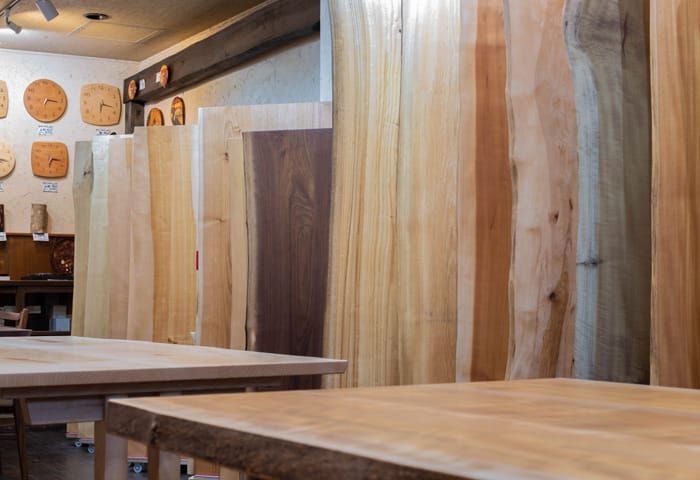
First, let’s go over a few key points to help you find the perfect wood for your needs.
- Color and Grain
- Hardness and Maintenance
- Intended Use and Location
Consider whether a lighter or darker tone will best match your room’s interior and personal taste. Each wood species shows unique grain patterns and colors, which can dramatically affect the overall impression.
While harder woods are less prone to scratches, they can also be heavier and more difficult to work with, and sometimes more prone to cracks. Additionally, the way a wood changes over time and how frequently it needs maintenance vary by type. Think about how much time and effort you’re willing to devote to upkeep.
For items like dining tables or chairs that bear significant weight, choose durable woods. For pieces such as trays or teacups, where a soft touch is desired, go for woods known for their pleasant texture. For smaller items like accessories or clocks, you might prioritize wood grain, color, or design appeal. Adapting to each specific purpose is key.
Each Type of Wood and Its Characteristics
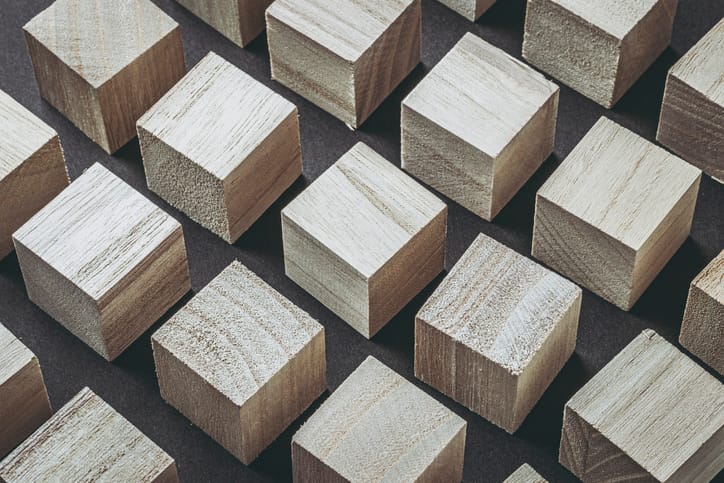
Below, we’ll introduce the woods primarily used at BlueLeaf, including their unique appeals, examples of usage, and points to note. It’s important to choose a wood according to your intended purpose and needs.
Chestnut (Kuri)
• Characteristics & Advantages
Chestnut stands out for its moderate hardness, durability, and distinctive, slightly subdued coloration. Its pronounced grain pairs well with both Japanese and Western decor.
Another plus is its relative resistance to moisture, making it less likely to warp or crack with seasonal changes.
• Disadvantages
The contrast between light and dark can be quite pronounced, so if you want a perfectly uniform look, opinions may vary. Also, its surface can be a bit rough; for items used heavily or subjected to wear, future maintenance may be necessary.
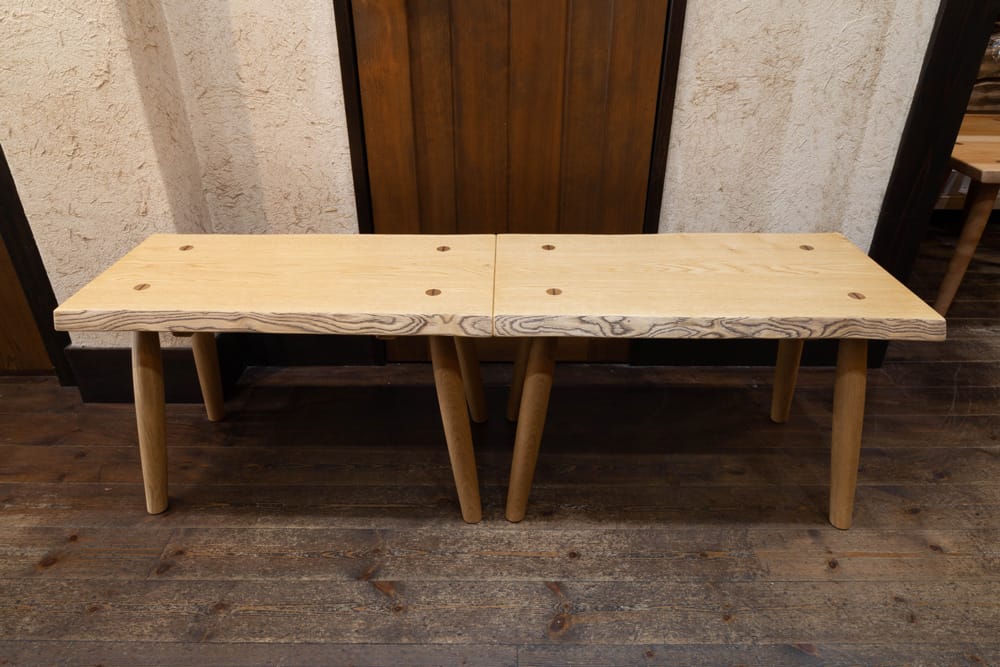
Chestnut Bench, Single Slab — ¥95,000
This bench uses chestnut wood. Its edge-side grain is uniquely beautiful.
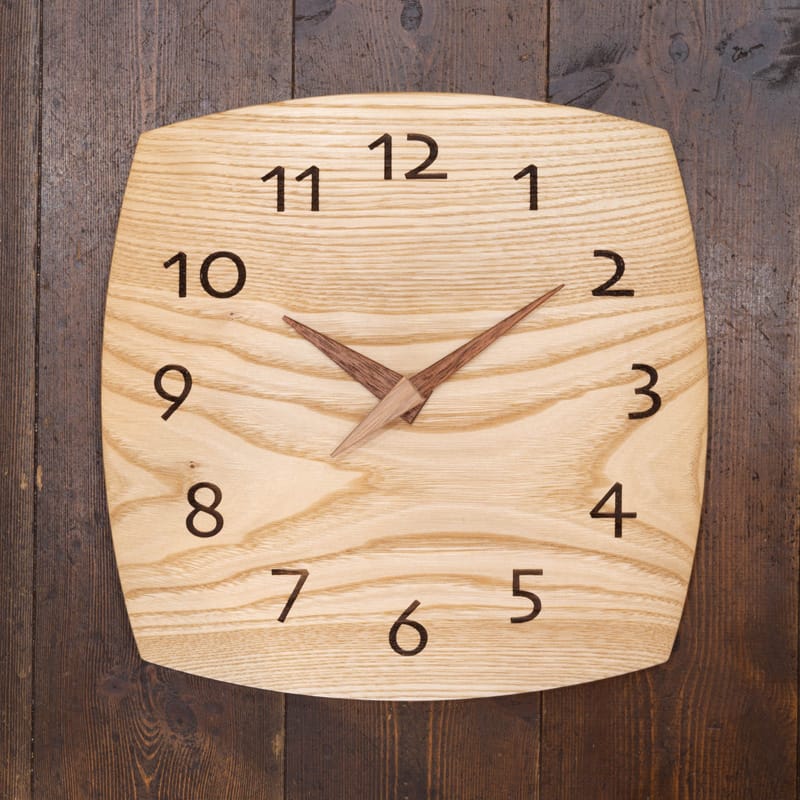
24cm Chestnut Clock — ¥12,900
A clock made from chestnut. Each piece has a one-of-a-kind grain, making chestnut an excellent choice for those who want something truly unique.
Birch (Kaba)
• Characteristics & Advantages
Birch has a bright color and soft grain that create a warm, simple atmosphere. It offers a good balance of hardness and durability.
• Disadvantages
It’s not particularly strong against water or humidity, so avoid prolonged exposure to moisture. Its pale tone can also make dirt and scratches more noticeable.
Note: At our store, we apply the ideal finish—such as oil or Cerawood—to each piece, making it water-wipeable and ensuring years of enjoyment.
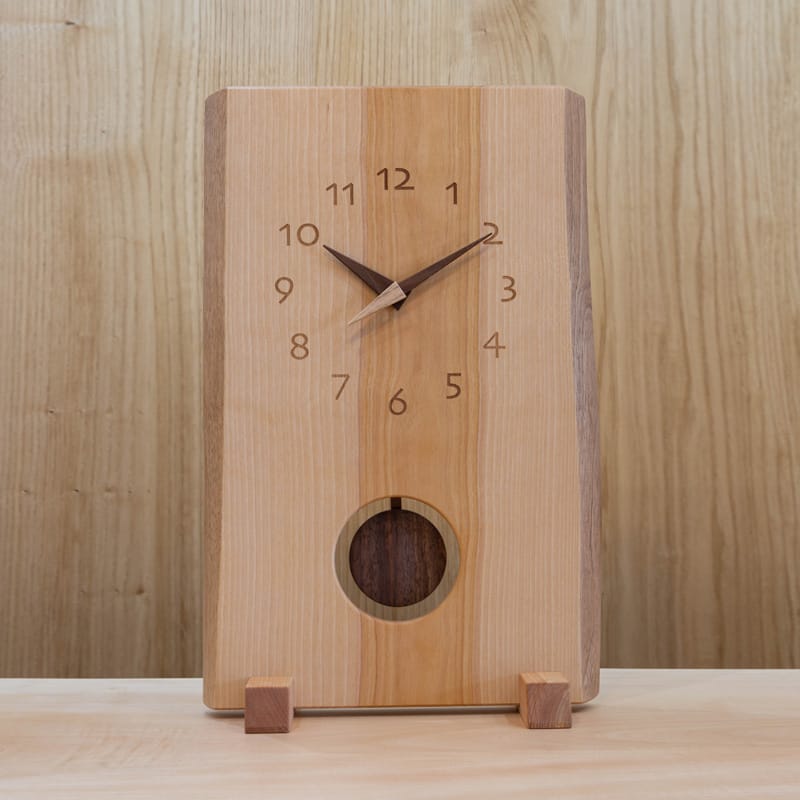
Pendulum Clock (Birch) — ¥19,900
This pendulum clock features birch with a gentle grain.
Wild Cherry (Yamazakura)
• Characteristics & Advantages
Slightly reddish with a refined tone, wild cherry boasts a dense, luxurious grain. It’s strong, less prone to cracking, and develops a moist sheen when polished. It’s also known for its beautiful aging over time.
• Disadvantages
Because the color can vary between boards, if you want to create a unified look across a dining set or other grouped items, you might end up with pieces that look slightly different.

Dining Table (Wild Cherry) — ¥340,000
This table is popular for its luxurious color and texture.
Japanese Horse Chestnut (Tochi)
• Characteristics & Advantages
Typically pale or whitish, tochi often has a silky sheen. Its grain can be stunning, sometimes showing a wavy pattern called moku, which adds a feeling of high quality. It’s relatively soft and light.
• Disadvantages
Since it’s a softer material, it scratches more easily. It also readily absorbs moisture, so you’ll need to be attentive to regular maintenance.
Note: At our store, we apply the ideal finish—such as oil or Cerawood—to each piece, making it water-wipeable and ensuring years of enjoyment.
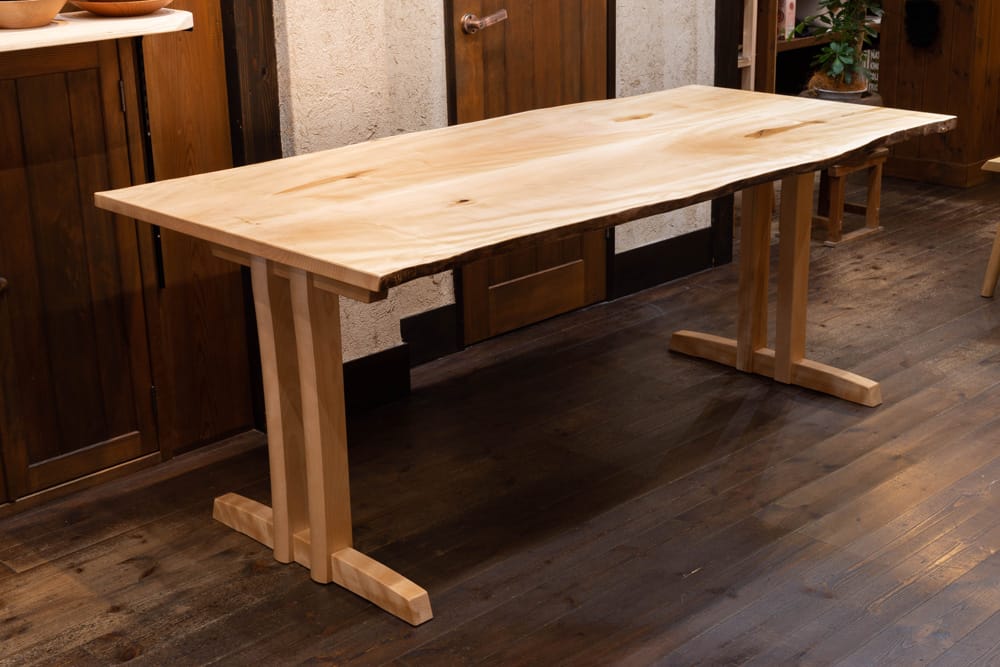
Bookmatched Table (Tochi) — ¥330,000
Crafted using the bookmatching technique. You’ll appreciate how it changes over time.
Black Walnut
• Characteristics & Advantages
Among walnuts, black walnut is prized for its deep, rich brown tone, bringing an air of sophistication and warmth to a space. With moderate hardness and stability, it’s a staple for high-end furniture.
• Disadvantages
It’s often more expensive than other woods, which may be a hurdle if you’re not aiming for a luxury style. Also, its darker color can make a room feel less bright.
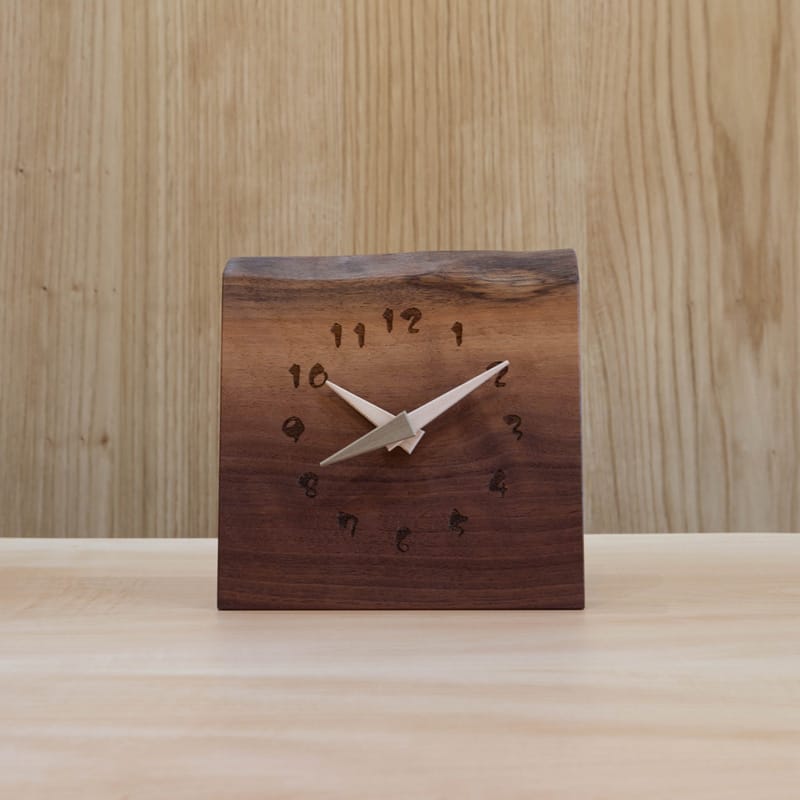
Table Clock (Black Walnut) — ¥7,500
This piece’s distinguished color and wood texture set it apart from other woods—ideal for a chic interior.
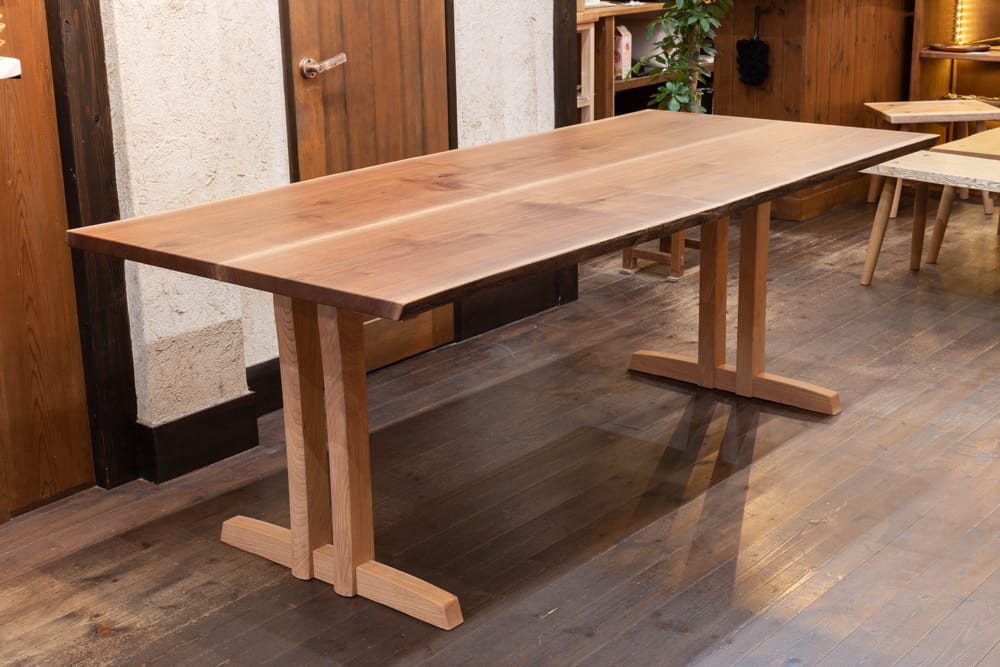
Dining Table (Black Walnut) — ¥370,000
Makes a bold statement! A black walnut dining table can be the centerpiece of your living space.
Mizume Cherry (Mizumezakura)
• Characteristics & Advantages
Mizume cherry resembles wild cherry with a faint reddish hue and has a finely textured, beautiful grain. It boasts strong impact resistance and a silky-smooth surface, making it renowned for its pleasant feel.
• Disadvantages
Because of demand and limited production, it can be harder to find and more expensive. Like all cherry-type woods, it may warp slightly if temperature or humidity isn’t well controlled.
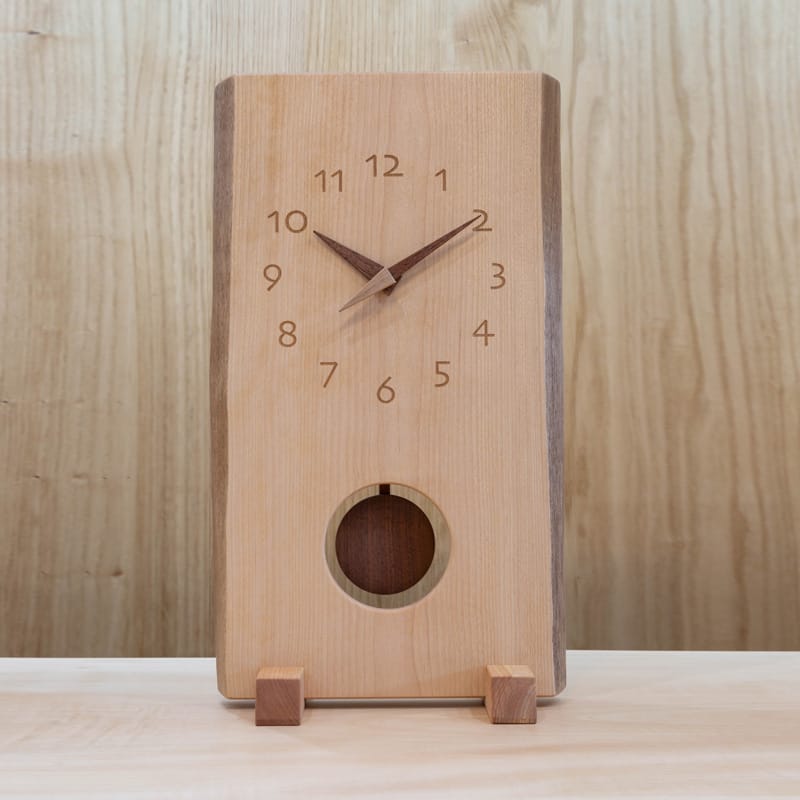
Pendulum Clock (Mizume Cherry) — ¥19,900
A large pendulum clock made from mizume cherry, one of BlueLeaf’s most popular items.
Walnut (Kurumi)
• Characteristics & Advantages
Though part of the walnut family, it has a lighter, grayish tone compared to black walnut. It offers moderate hardness, is easy to handle, and its grain shows a unique character. It’s also relatively affordable.
• Disadvantages
While not necessarily a negative, it can vary widely in grain pattern, which may require careful selection if you’re buying matching dishware sets, for example. And since it’s not extremely hard, it may wear or scratch somewhat more easily.
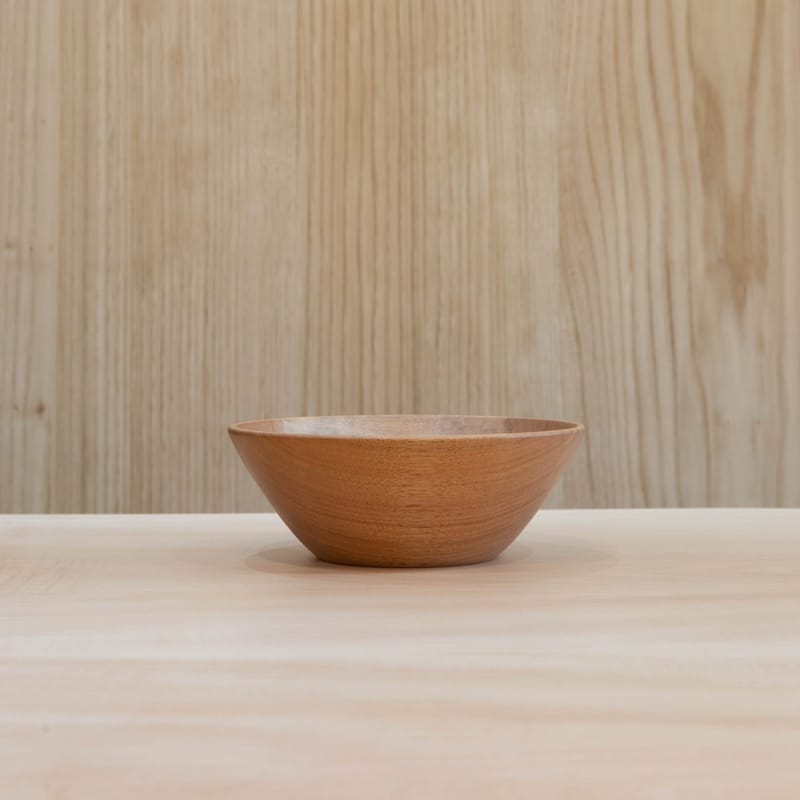
5.5-Sun Bowl (Walnut) — ¥5,300
A bowl made from walnut. We have many grain variations in stock, so please stop by our store to see them in person.
Oak (Nara)
• Characteristics & Advantages
Not as hard as white oak (kashi), oak is beloved for its durability and distinct grain. It features a clear, strong pattern that matures into a warm, amber tone over time. It’s well-regarded as a furniture wood that can last many years.
• Disadvantages
Because it’s fairly heavy, moving larger pieces can be challenging. Also, its hard surface has lower elasticity, so repeated exposure to dryness or humidity may lead to cracks.
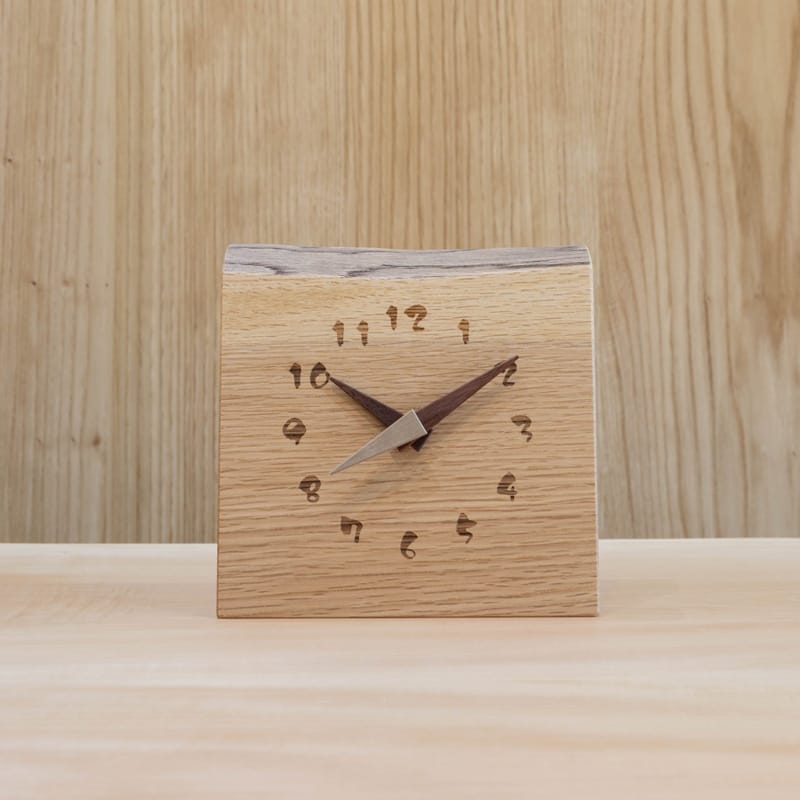
Table Clock (Oak) — ¥7,500
A charming oak table clock. Oak can be used for everything from small items to large furniture.
Magnolia (Hoo)
• Characteristics & Advantages
Magnolia’s smooth, uniform texture and faint greenish hue are its biggest draws. With almost no odor, it’s also great for kitchen tools and tableware.
• Disadvantages
Being soft, it scratches more easily and is not typically ideal for high-durability furniture. It also absorbs moisture readily, so regular maintenance is important.
Note: At our store, we apply the ideal finish—such as oil or Cerawood—to each piece, making it water-wipeable and ensuring years of enjoyment.
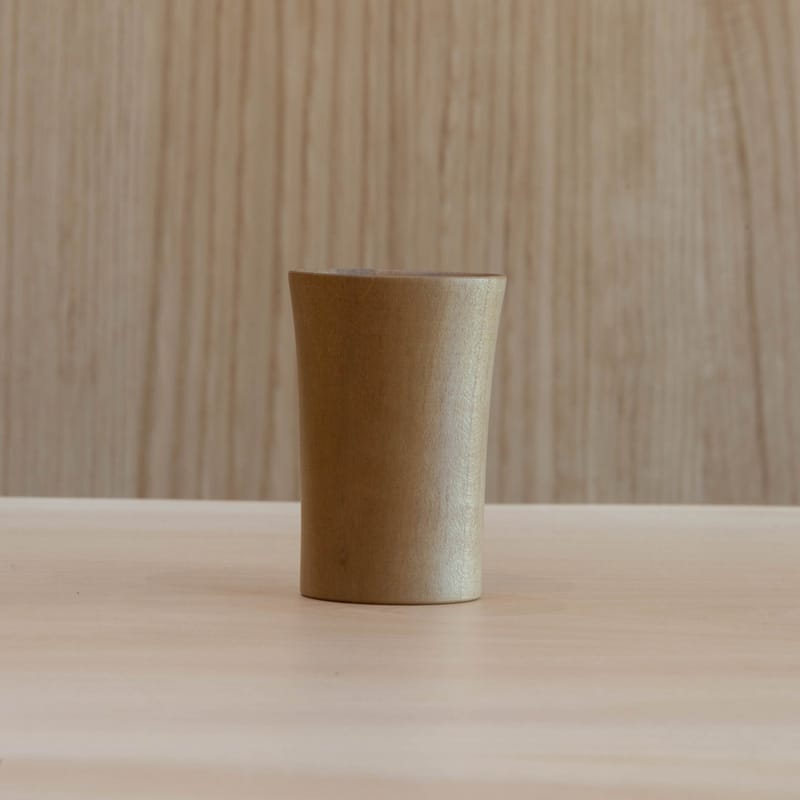
Guinomi (Magnolia) — ¥4,000
A small sake cup showcasing magnolia’s subtle green tint—perfect for savoring your favorite drink.
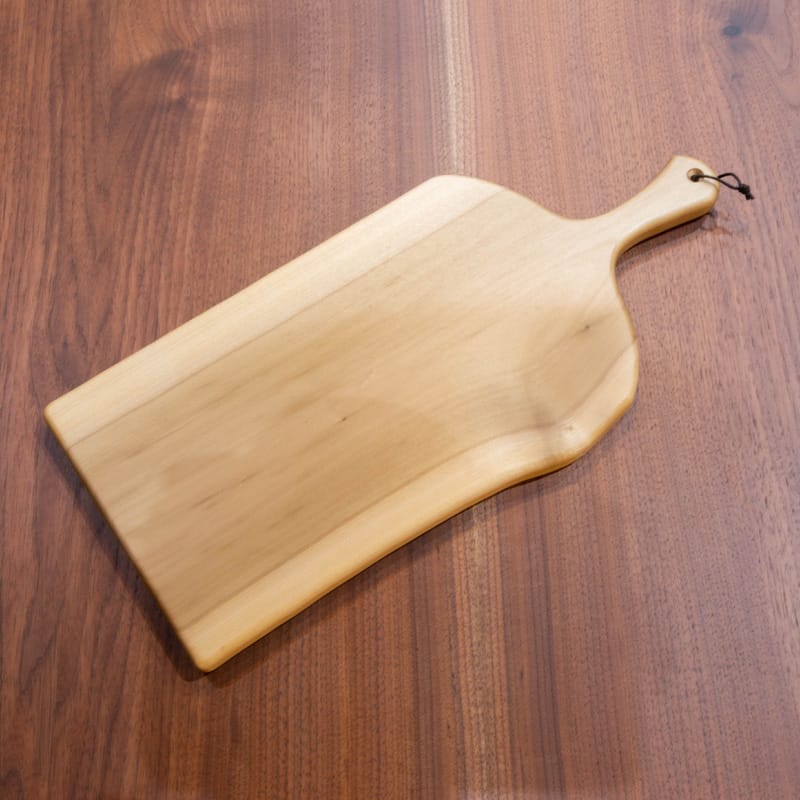
Vehicle Cutting Board (Magnolia) — ¥3,500
A magnolia cutting board that’s also popular for camping gear.
Choosing Wood by Situation
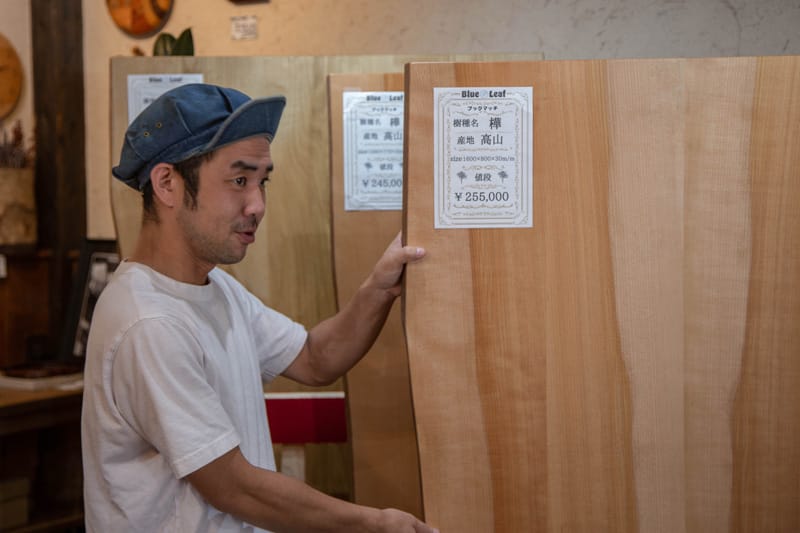
Finally, let’s look at how to select wood for different scenarios.
Dining Tables and Chairs Where Durability Matters
Hard, warp-resistant woods like black walnut, oak, or chestnut are recommended. If you’d like a more refined look, wild cherry or mizume cherry are also a great match.
Of course, even softer woods (such as magnolia or birch) can be used for tables or chairs if they’re properly maintained.
Choosing based on your preferred interior design style is always a good approach.
Teacups and Trays Where Feel and Lightness Count
Birch, Japanese horse chestnut, or magnolia offer a pleasant texture, making them ideal for items you handle every day.
Decorative Clocks and Accessories
Woods that highlight their beautiful grain or color—like black walnut, walnut, wild cherry, mizume cherry, or Japanese horse chestnut—are popular. If you’d like an extra pop of color, consider mixing in chestnut or magnolia.
Small Items to Brighten a Living Room or Bedroom
Using softer-toned woods like birch, walnut, or magnolia across the room can create a bright, unified atmosphere.
Conclusion
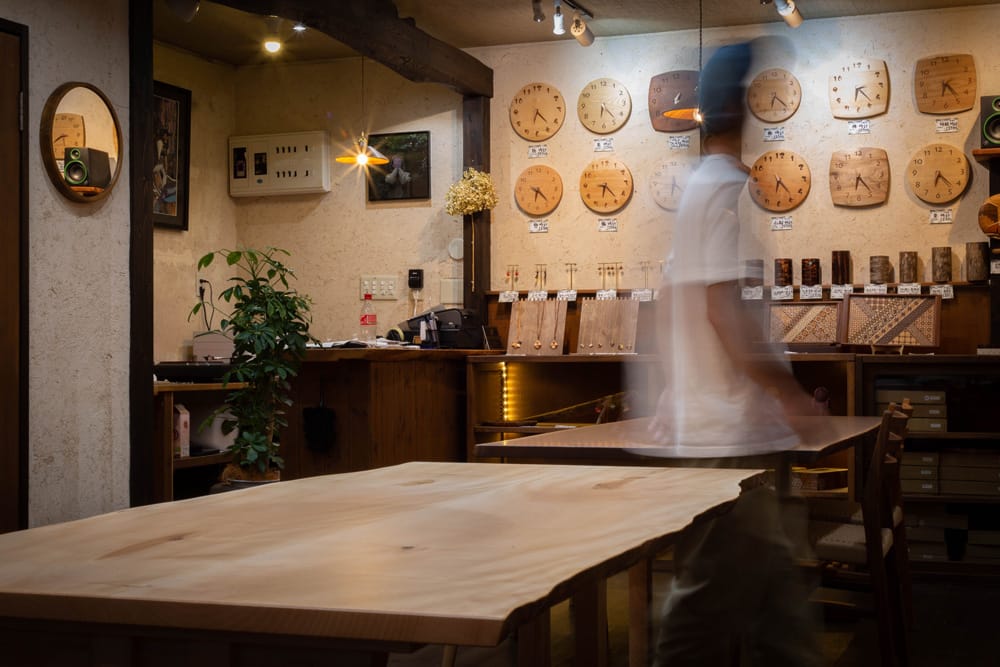
From my experience as a Hida furniture artisan—having seen and worked with countless types of wood—I can say with confidence that every wood has its own unique personality and charm. Factors like hardness, color, grain pattern, durability, and how each type changes over time can create vastly different looks for your space.
For larger furniture like dining tables or chairs, think about balancing durability and aesthetics. For smaller items such as clocks, trays, or teacups, consider texture and ease of working. In other words, choosing a wood that suits each item’s specific features and intended use is the key.
When you find furniture or accessories crafted from a wood you truly love, every time you hold them you’ll think, “I’m so glad I chose this.”
We hope you’ll visit us in person and experience the texture and grain for yourself.
We’re confident you’ll discover a piece that becomes your new favorite.
