

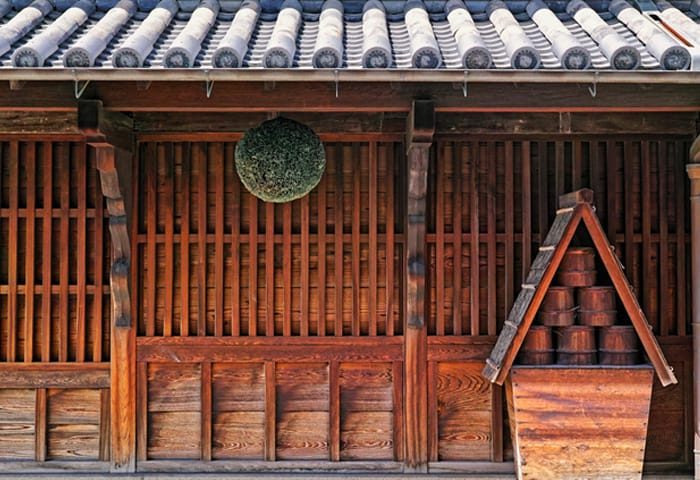
When people think of Hida-Takayama, lush nature and traditional woodworking techniques often come to mind. But this region is also widely celebrated as a treasure trove of “local sake,” beloved throughout Japan for its wonderful flavor.
Despite the fact that I’m personally not much of a drinker, I found myself enjoying Hida’s local sake in a way I never expected. There’s just something special about it.
The Blessed Natural Environment That Produces Hida’s Local Sake

Hida is known for producing famous brands like Horai and Tenryo.
So what’s the secret to the outstanding local sake that flourishes here? It lies in Hida’s rich natural environment.
Surrounded by high-elevation mountains, the Hida region has a significant temperature swing between summer and winter. These conditions are ideal for rice cultivation, which in turn is crucial for growing top-quality sake rice.
Moreover, there’s an abundant supply of pristine water—from snowmelt and mountain springs—which plays a key role in creating that clean, refined taste. It’s often said that “good rice, good water, and good brewers” are essential to great sake, and Hida checks all three boxes.
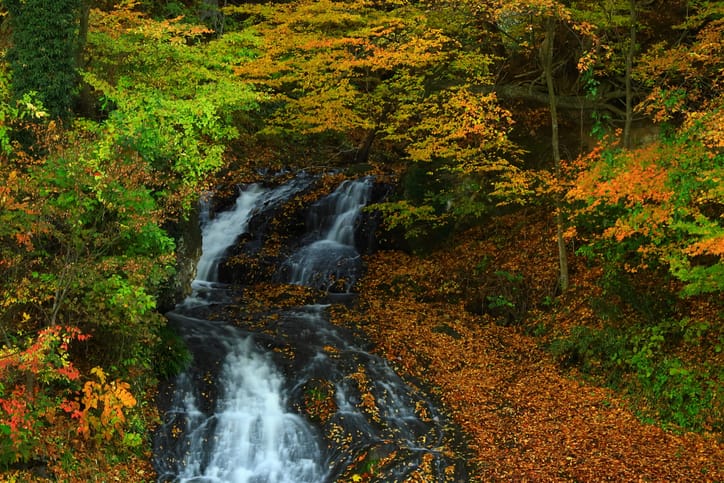
Quality rice grown in these clear mountain streams is meticulously brewed, transforming into aromatic, easy-to-drink local sake.
If you visit popular tourist spots like Hida-Takayama, you’ll notice traditional sake breweries seamlessly woven into the old streetscape. The fragrant aroma of fermentation drifting through these historic towns offers a glimpse into the sake-brewing legacy passed down through generations.
You’ll find a wide variety of options—from limited seasonal releases whose flavors change throughout the year to unique labels that reflect each brewery’s individuality.
Savoring a Relaxed Moment with Local Sake and Hida Furniture
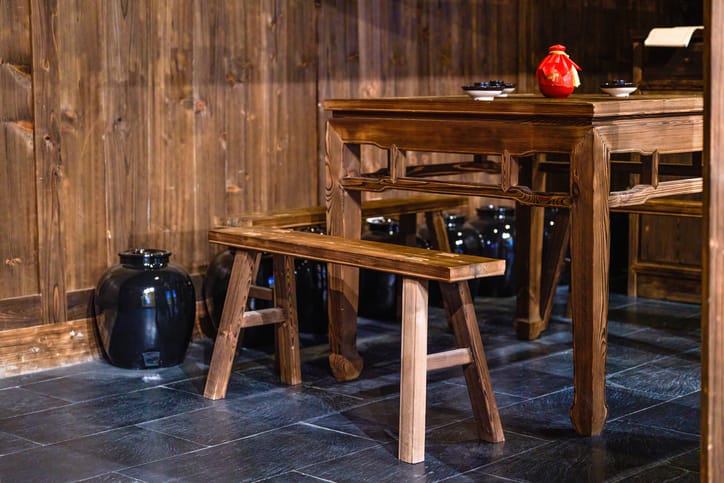
Enjoying local sake isn’t just about drinking alcohol.
In these parts, it’s common to find old homes converted into cozy bars or pubs. Sipping sake in a warm, wood-filled space, letting time slow down—that, I believe, is one of Hida’s true delights. Conversations flow naturally, and the worries of daily life melt away. Even I, someone who rarely drinks, can appreciate the smooth mellowness of local sake—so I can only imagine the bliss it brings to true sake enthusiasts.
Another lovely touch is drinking from wooden cups or ochoko (traditional sake cups). The wood lends a gentle mouthfeel, and its subtle aroma adds depth to the flavor. Just like furniture or accessories crafted from wood, local sake is a product of nature’s bounty, carefully refined by human hands.
Even though they’re different fields, they share a core principle: “embracing the innate qualities of the raw materials.” This common thread resonates in both, allowing us to delight in the woody fragrance or the soft finish of the sake through all five senses.
Newfound Charms Discovered Through Hida’s Local Sake

Finally, let me share the new insights I gained from discovering local sake in Hida.
First and foremost, I was struck by how approachable Hida’s local sake can be. As someone who’s not a heavy drinker, the gentle flavor certainly helped—but so did the warmth and kindness of the local people.
Even when I mentioned I can’t handle much alcohol, they never made a fuss. Instead, they cheerfully said, “Then just try a little!” Without that hospitality, I doubt I’d have experienced local sake in the first place.
Local sake also offers a unique way to explore the region’s culture. Wandering around the old streets of the Hida area and visiting breweries with centuries of history lets you enjoy both sightseeing and culinary delights at once.
Even if you’re like me and don’t drink much, you can still savor amazake (a sweet, fermented rice beverage) or other non-alcoholic fermented drinks, getting a taste of Hida’s food culture in the process.
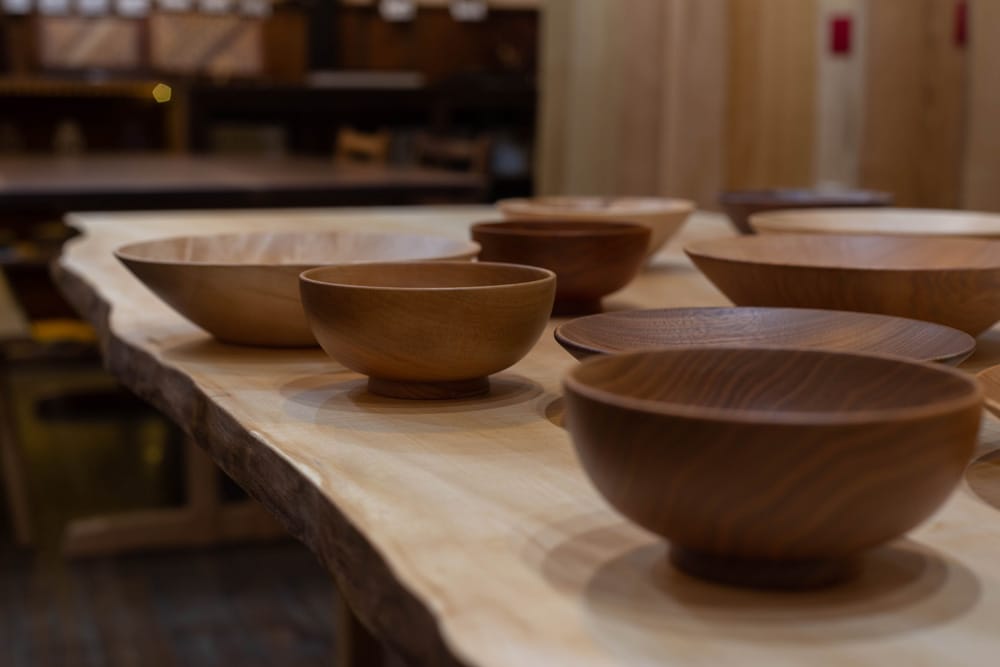
Above all, it’s the blend of pristine natural resources and skilled craftsmanship—whether in furniture or sake—that moved me the most. Both deeply value “bringing out the best in the natural materials.”
That’s why you can experience them on such a sensory level—be it the gentle scent of the wood or the smooth taste of the sake. Both are wonderful in their own way, heightening our appreciation of nature’s gifts.
